
If you think hybrid casual monetization needs a fixed formula, it’s time to reset that assumption. After analyzing successful hybrid casual games and working with top-performing studios, we've identified the do's and don'ts that separate winning monetization strategies from weak ones.
Let's cut through the noise and focus on what consistently drives revenue without sacrificing player experience.
The don'ts: Common misconceptions that undermine revenue
DON'T: Delay monetization implementation
Hybrid casual monetization should never be an afterthought. It is a core validation mechanism that needs to be embedded from the get-go.
Without monetization, you can't validate your game's true potential. CPI metrics are meaningless without lifetime value (LTV). In other words, you can't assess profitability or scalability without understanding how users monetize.
This means involving monetization managers, economy managers, and data analysts from the very beginning.
DON'T: Chase the mythical 50/50 ratio
One of the most common misconceptions in hybrid casual is that successful games need a 50/50 split between in-app purchase (IAP) and ad revenue.
Some games succeed with 60% IAP revenue, while others leverage ad-heavy models successfully. For example, games like Conquer Countries use their decision-making mechanics to create ideal moments for rewarded video (RV) placements.
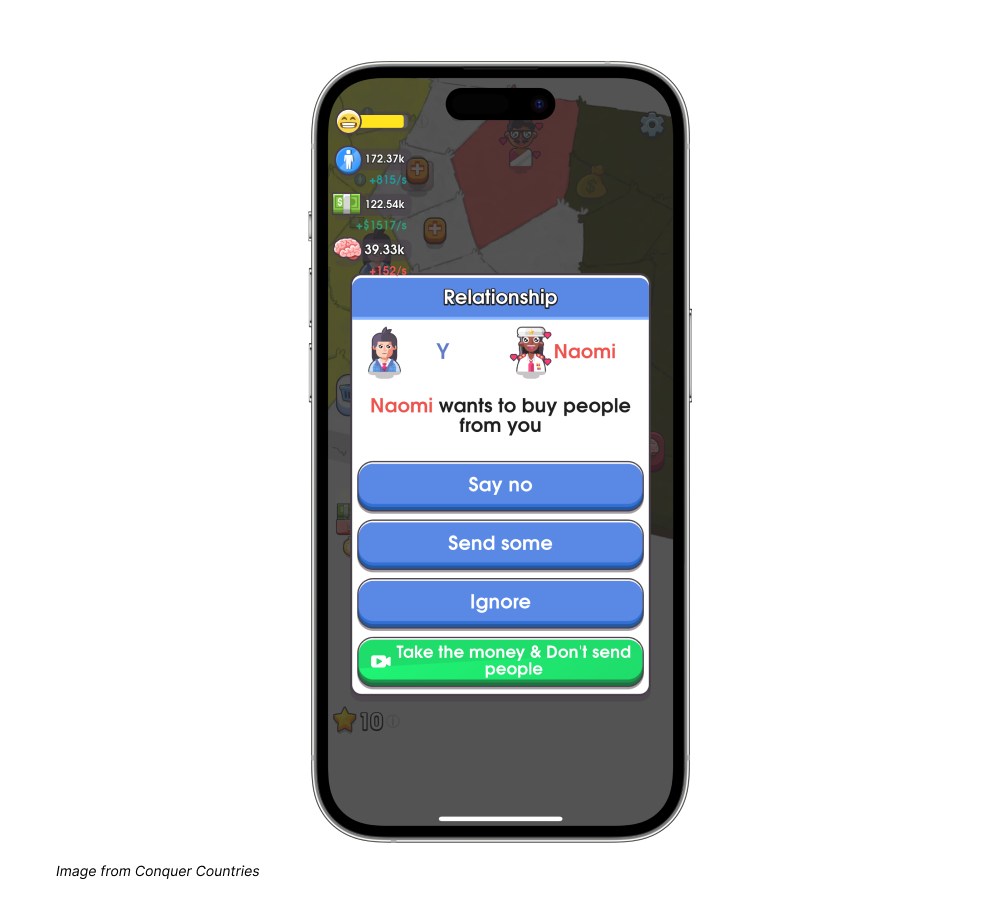
Whether your split is 50/50, 70/30, or 60/40 matters far less than how well it fits your design. What matters is building a monetization strategy that fits your specific game mechanics, player motivations, and core loop. Let your game's unique characteristics and live player data guide your strategy, not random industry benchmarks.
DON'T: Exclusively segment players as "ad watchers" OR "IAP spenders"
Many players who engage with IAPs also interact with RVs. Similarly, ad-focused players can convert to IAP over time. Successful hybrid games create synergy that allows players to switch between monetization behaviors naturally.
The key is adjusting your economy to accommodate both behaviors, not forcing players into fixed categories.
DON'T: Assume hybrid games only attract low-value players
Hybrid casual games can attract valuable, high-LTV players who make multiple purchases over time. In order to attract them, you need to create engaging, repeatable experiences that encourage long-term retention.
Unravel Master demonstrates this, reaching 150K daily revenue by enhancing its core loop and rewarding players who maintained win streaks. Your goal should be designing engaging mechanics that attract high value players and drive them to keep playing your game.
DON'T: Mismanage pressure points
Pressure points are essential for monetization, but they're also tricky to get right. Too many or too difficult, and players churn. Too few or too easy, and monetization suffers.
Finding the right balance requires monitoring four critical metrics:
- Attempts Per Success (APS)
- Churn Rate
- Retention Rate
- Average Revenue Per User (ARPU)
If APS is high while ARPU is relatively low, monitor the churn rate. The pressure point might be too hard, causing users to drop.
The optimal balance is a fluid APS per level that creates spikes in ARPU, along with stable retention.
The do's: Proven strategies to maximize revenue
DO: Align monetization with player motivation and maturity
Effective monetization depends on two factors: player motivation and player maturity (how long they've been playing). Players need clear motivation to win, complete levels, or defeat challenges. And the right timing is crucial.
Early game: Players should feel capable and experience wins. Let them understand the core loop and what drives their engagement. Keep friction low and focus on teaching progression goals.
Mid-game: Gradually introduce friction (challenge). Create moments where you can naturally show them what they need to succeed. This is where most hybrid casual titles start to see meaningful monetization.
For example, slowly bring in boosters that help the player beat challenging levels. Tie the offer directly to the obstacle they are facing, so it feels organic and embedded in the experience, not aggressive or interruptive.

DO: Balance IAP and ads strategically
Work closely with an economy expert to ensure every purchase or RV engagement delivers appropriate value for your specific game. Use cohort data to validate that changes improve both ARPU and retention, not just one at the expense of the other. The key to preventing ads from cannibalizing IAPs is clear differentiation in the value proposition.
Rewarded videos should provide incremental benefits such as soft currency, temporary boosters, and small progression advantages. IAPs should deliver high value rewards/ exclusive content, or permanent upgrades.
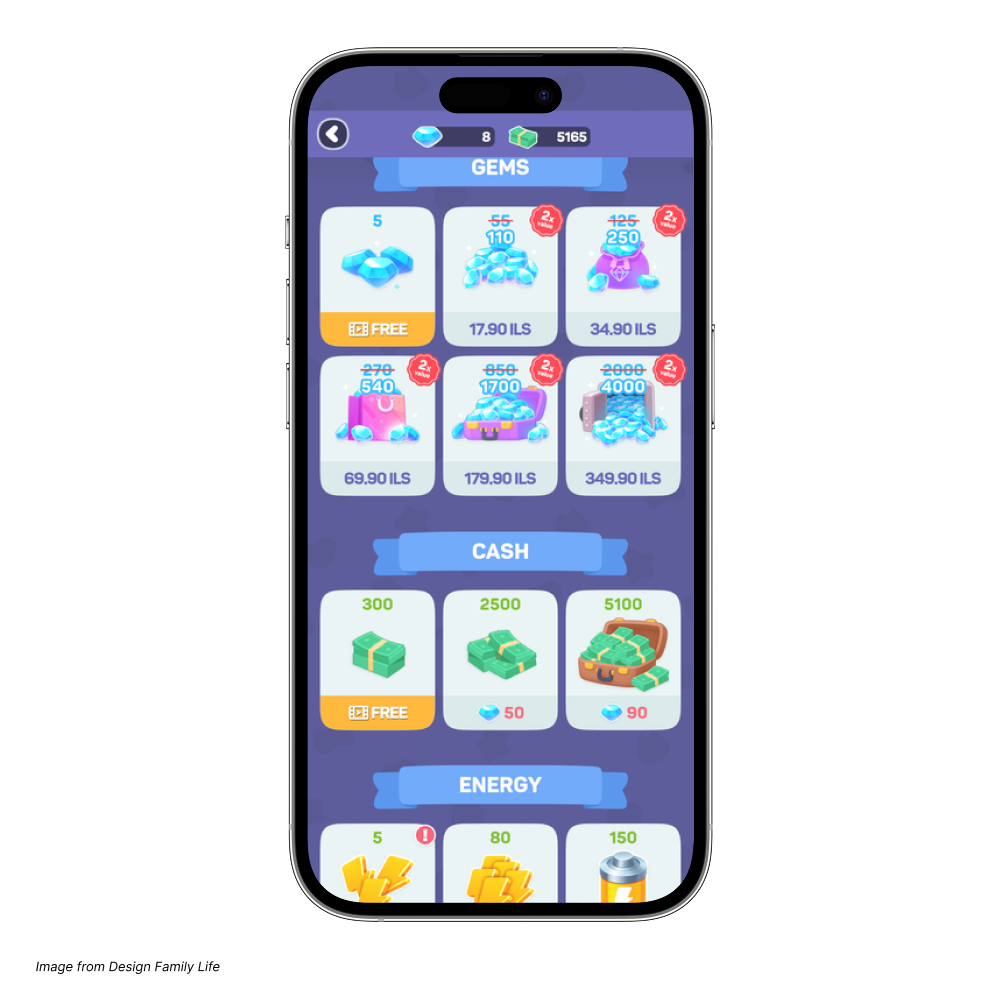
Players should understand that paying provides a more sustainable experience and more permanent benefits. One way to do this is by offering a valuable reward once through an ad and then selling it later exclusively through IAPs. This strategy is effective because you're demonstrating that what they experienced temporarily through a 30-second ad can be theirs permanently for a reasonable price.
This often lifts first-purchase conversion without hurting RV engagement. Players should feel they can grind through rewarded videos to a point, but paying will unlock significantly more sustainable and valuable experiences.
DO: Implement smart segmentation through gameplay
While basic segmentation (payers vs. non-payers) is straightforward, sophisticated segmentation happens at the core gameplay level.
For level-based games, provide differentiated experiences based on player behavior:
For high-skill players who progress quickly:
- Dynamically increase difficulty
- Maintain challenge and engagement
- Prevent boredom while preserving monetization opportunities
For players struggling with difficulty:
- Adjust challenge down to prevent frustration
- Reduce churn while maintaining meaningful progression
This segmentation should be 100% personalized and automated, not manually crafted in a live ops platform. Leverage economy managers and data analysts to create dynamic models that respond to player behavior in real-time. This is how you provide optimal experiences for different player types while maintaining strong monetization across all segments.
DO: Craft targeted IAP offers
Different player segments require different offer strategies:
For non-payers:
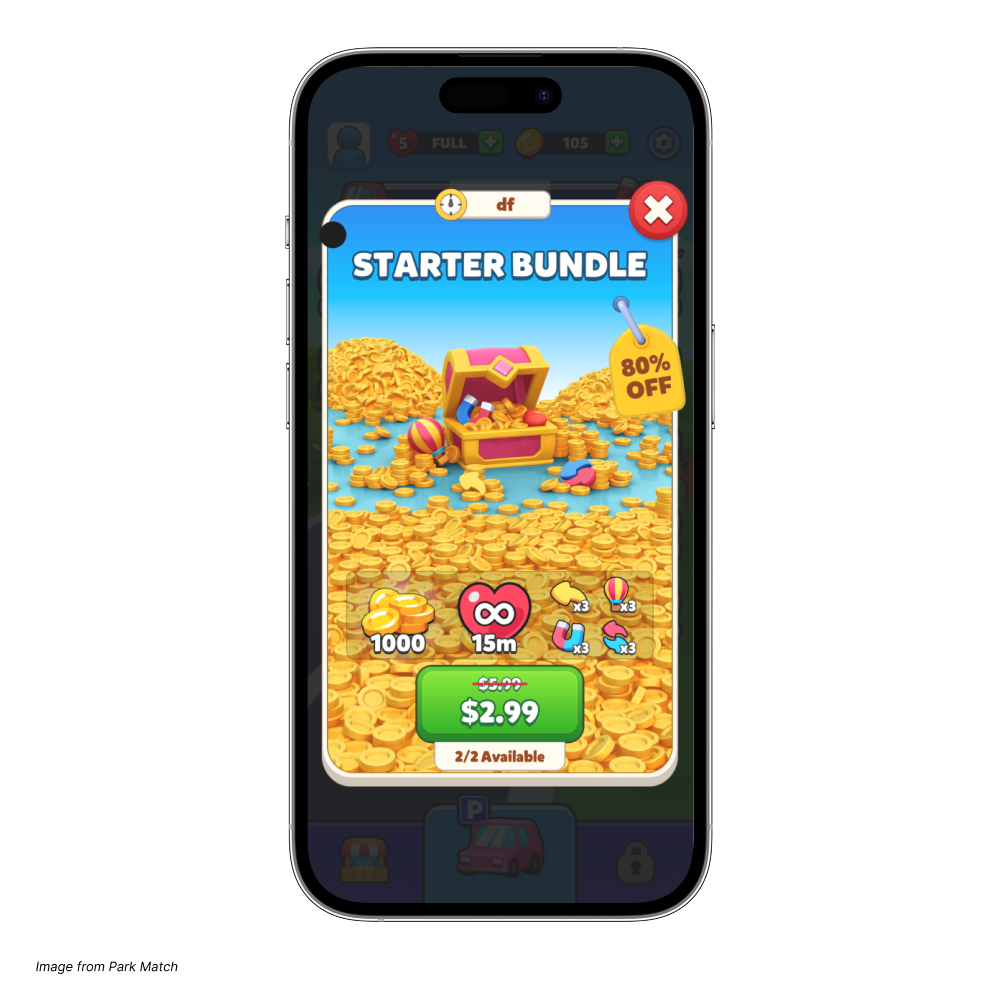
- Provide affordable bundles with substantial rewards
- Create a compelling first-purchase experience
- Balance generosity without disrupting game
For active payers:
- Align offers with established spending habits
- Mix coins, bundles, and targeted offers in their typical spend range
- If they typically spend $5, target a $5-$7 range
- Reduce RV frequency to encourage continued IAP engagement
For dormant payers:
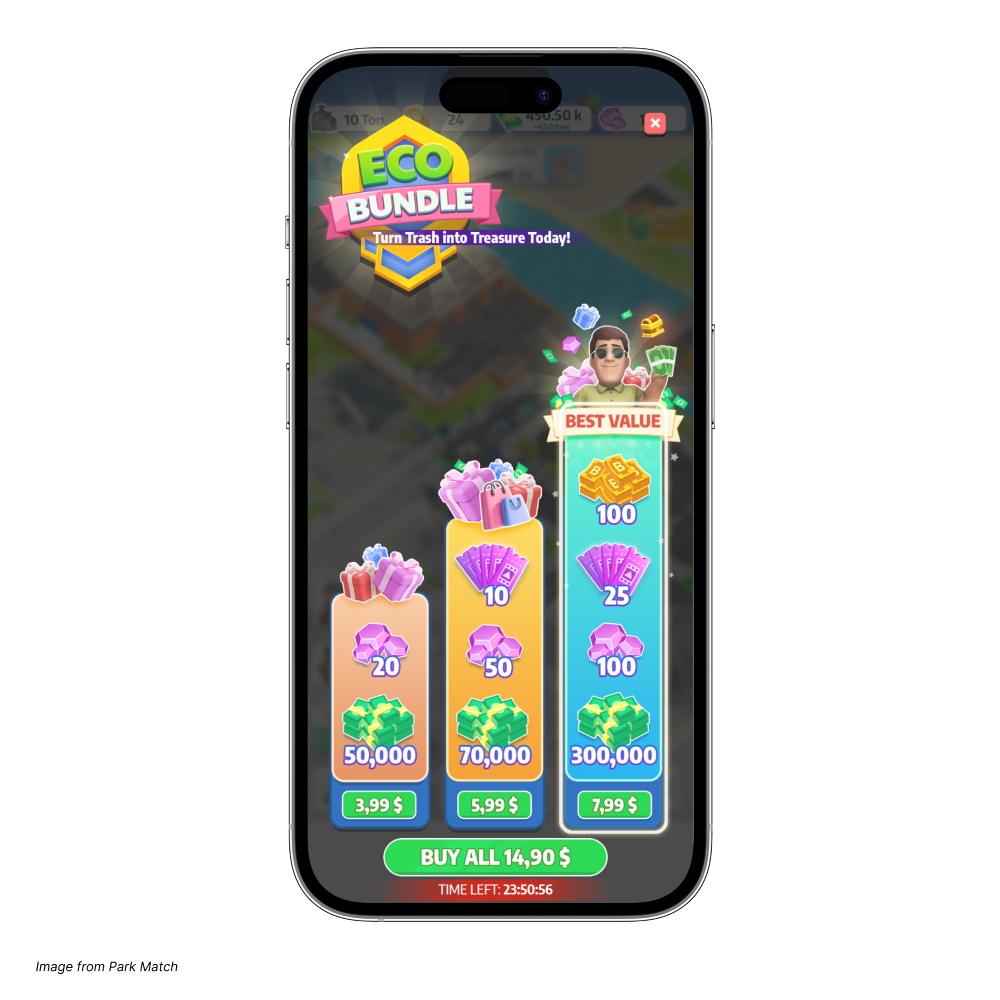
- Deploy high-value IAP bundles to re-engage
- These should be attractive and almost as generous as first-time buyer offers
- Consider increasing RV availability if they've stopped purchasing to re-monetize them through ads
Turn your game into a profitable hit
Successful monetization happens when studios embrace complexity, test continuously, and build systems that adapt to actual player behavior rather than assumed best practices.
Your economy manager is essential to making this balance work. Trust your data, monitor your metrics closely, and remember, the best monetization strategy is the one uniquely tailored to your game and your players.
Let's put these tips to good use
Publish your game with Supersonic