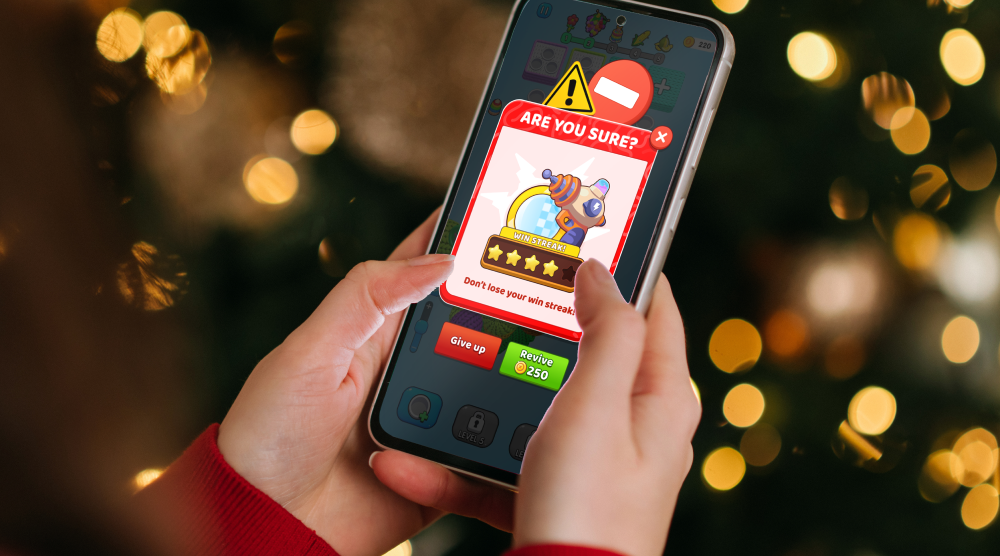
TL;DR: 2025’s biggest hybrid game wins in 60 seconds
- Optimize for D7/D14, not D1. Build progression systems and satisfying loops that keep players coming back.
- Polish the sensory experience. Haptics, smooth animations, visual ASMR are small details that hugely boost engagement.
- Turn IAP systems into ad rewards. Creat ad-based versions of IAP rewards to monetize non-spenders.
- Make sure ads are emotionally-driven. Connecting with players’ emotions drives performance.
- Scale storytelling with AI. Rapidly produce emotional narratives and iterate faster.
2025 is coming to an end – and what a pivotal year it’s been! We’ve seen more and more strong hybrid games from our partners around the world, who have upped their game with sharper concepts, captivating creatives, engaging meta layers, and monetization techniques that are not just profitable, but valuable to players.
When we analyzed the year’s biggest successes, clear patterns emerged: what truly drives retention, what separates good hybrid design from great, and which monetization and creative strategies consistently move the needle.
As we step into 2026, we’re sharing the most impactful lessons we learnt in 2025, helping to make 2026 your best one yet!
Perfect hybrid game design
Lesson 1: Quality of play-time trumps quantity of downloads
Unlike hyper-casual games that live or die by quick viral hits, hybrid games are built for the long haul. They need players to stick around, not just for a few days but for weeks and months. That is why metrics like D7 and D14 matter so much more than a strong D1. CPI still plays a role, but the real story shows up in the later-day numbers, where deeper progression systems, richer mechanics, and smarter monetization loops either succeed or fall flat. Hybrid players tend to be more experienced and expect more meaningful gameplay, so giving them a world worth returning to is key.
Take Screw Guru and Unravel Master, for example. Both reached an impressive 30% D7 retention, showing that their evolving challenges and deeper systems truly resonate. Our goal now is to understand what drives that loyalty so we can build on the momentum and create even stronger, stickier experiences.
Lesson 2: Wow players with sensory experiences
In game design, every detail matters, and giving your game immersive elements like haptic feedback and soothing animations can go a long way. For example, Screw Guru and Unravel Master both share core gameplay but differ when it comes to their concept and designs.
Unravel Master adapted Screw Guru’s gameplay to become more zen-like and immersive.The way the yarn unravels is visually satisfying to the player, which brought the game to a whole new audience. They also added polished animations, zen puzzles mechanics, compelling storytelling, engaging haptic feedback, and top-notch visuals, which helped the game stand out in a crowded market.
Lesson 3: Keep your players in the core game loop
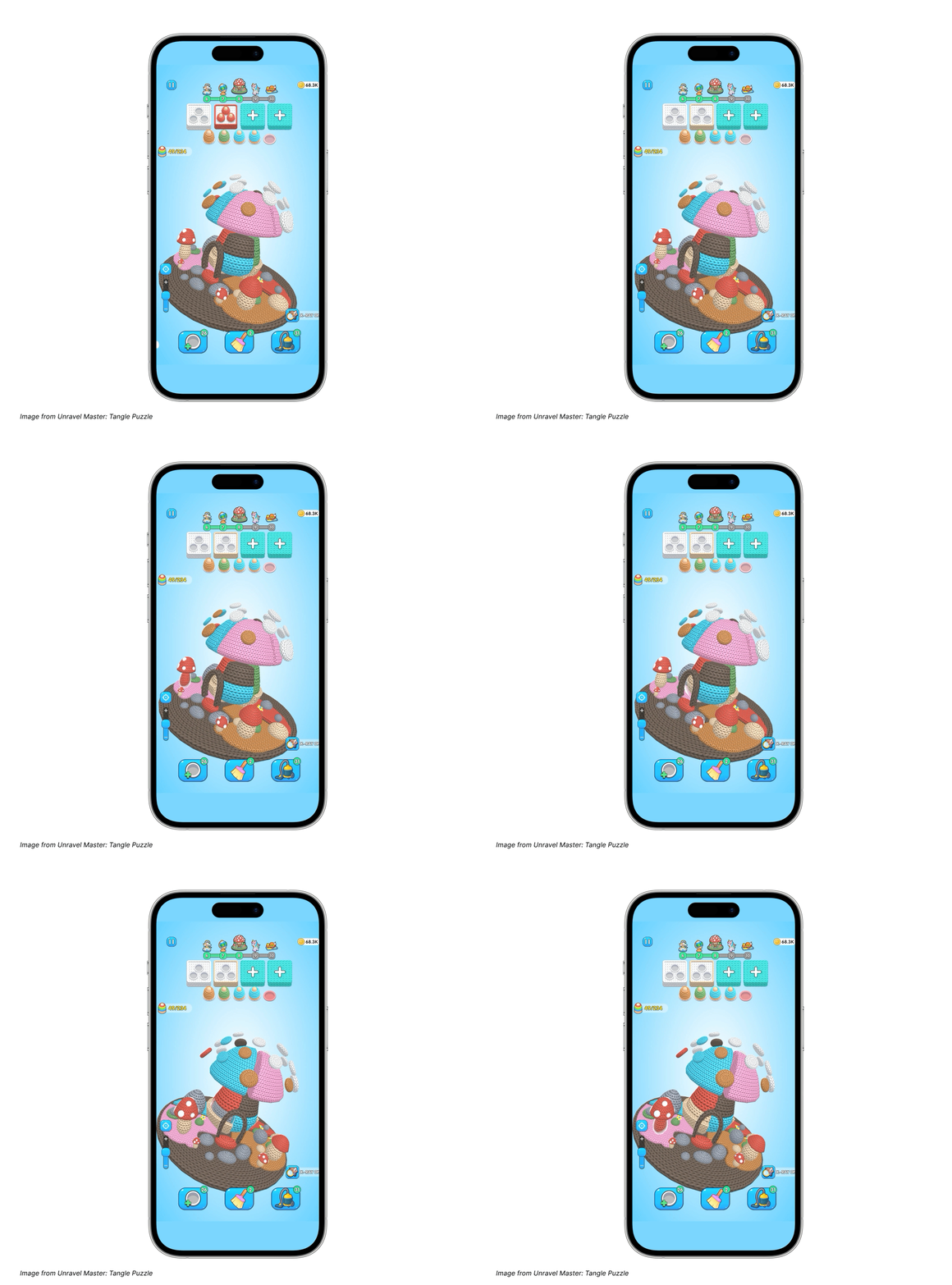
Meta may be important, but if you really want to win, your core gameplay needs to hook your players. To keep players on the core gameplay, spice things up with features that make the experience exciting and rewarding. Take the x-ray feature in Unravel Master, for example. Players get to peek at which color yarn to unravel first, adding a layer of control and clever strategy to the core. Using the x-ray feature appealed to players’ desires to win, which hooks them to the core and keeps the in-game metrics high.
Lesson 4: Make challenges satisfying, not discouraging
A balanced difficulty curve drives monetization. Players crave gratifying challenges to stay engaged, but they shouldn’t be so tough that they get frustrated. Carefully plan when to introduce tricky levels, fresh content, and new features. Use A/B testing to find the sweet spot: start with a bit of a challenge, then adjust to keep the fun flowing and get players hooked.
Master monetization
Lesson 1: Nail the core loop, then focus on monetization
We already emphasized how important your core loop is when it comes to game design, but did you know that it’s equally as important for monetization? LiveOps and monetization can’t compensate for a weak core loop. After all, if players don’t feel meaningful pressure, urgency, or stakes inside the game, no amount of offers or promotions will move the needle.
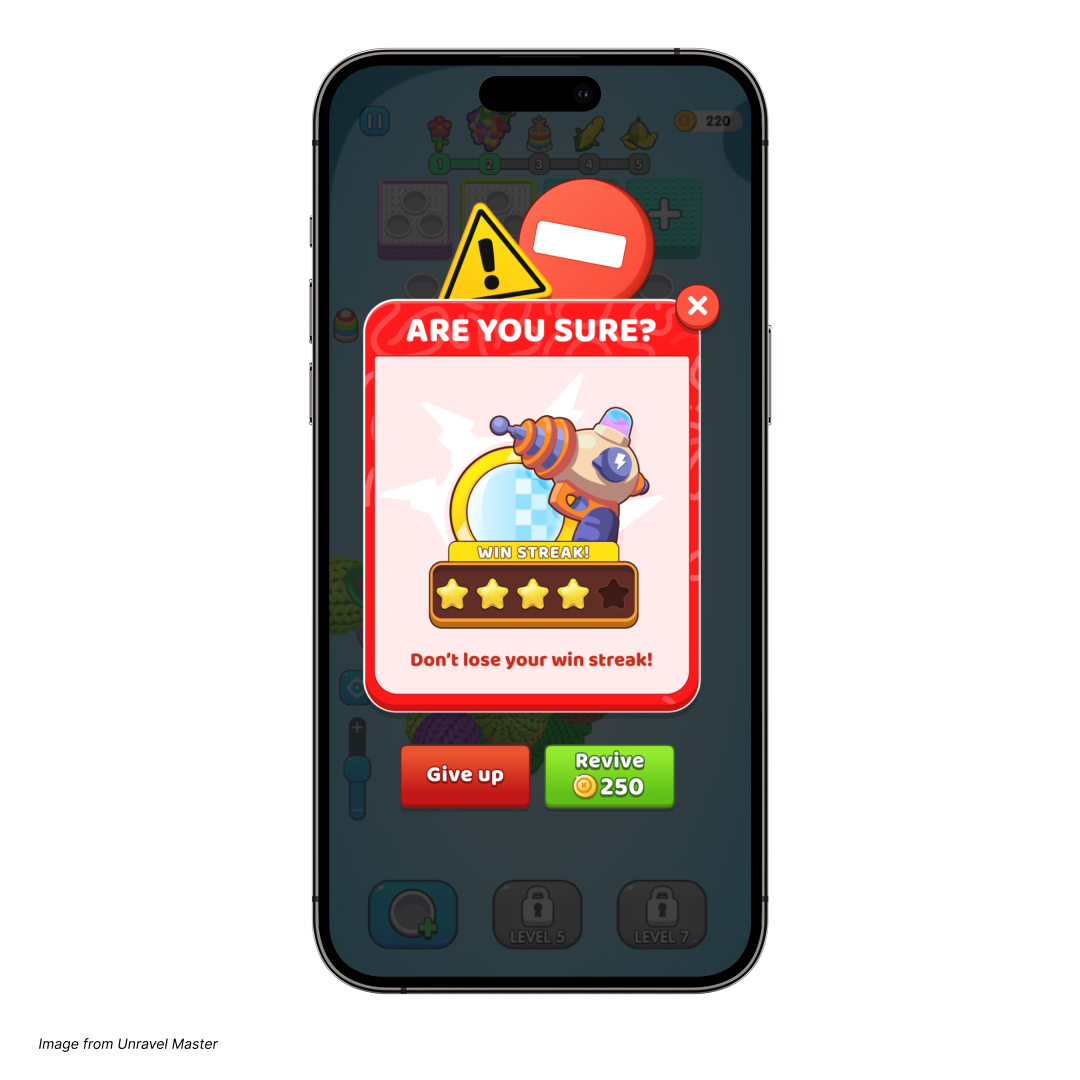
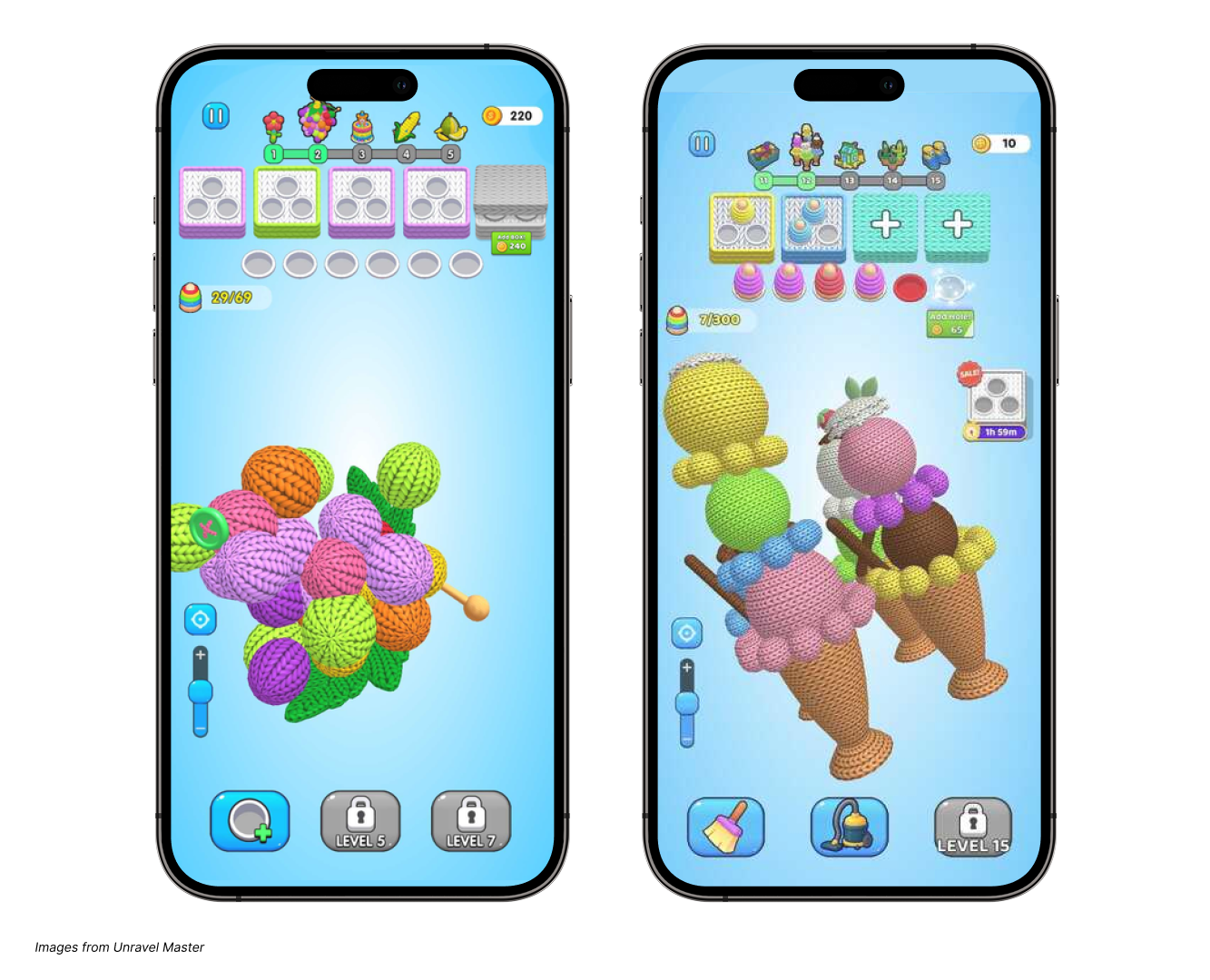
Case in point is Unravel Master’s win streak mechanic. We mentioned earlier that we created an x-ray feature which allowed players to see through different layers of yarn, so they can easily strategize their next move. But the catch is that they could only access this feature if they maintain their win streak, requiring them to beat 5 levels in a row. Having this mechanic boosts tension and increases the cost of losing, which keeps players invested in the game and more likely to convert.
Lesson 2: Trigger monetization at the perfect moment
In 2025, dynamic monetization became a key strategy, offering IAP or ad options exactly when players needed them most. It can appear when players face tough challenges, run low on resources, or encounter failure. Unravel Master shows this in action: a bonus appears when only one spot remains and an extra box slot unlocks after the fourth box is open. These features make monetization feel natural, helpful, and appealing.
Lesson 3: Turn successful IAP features into ad-based wins
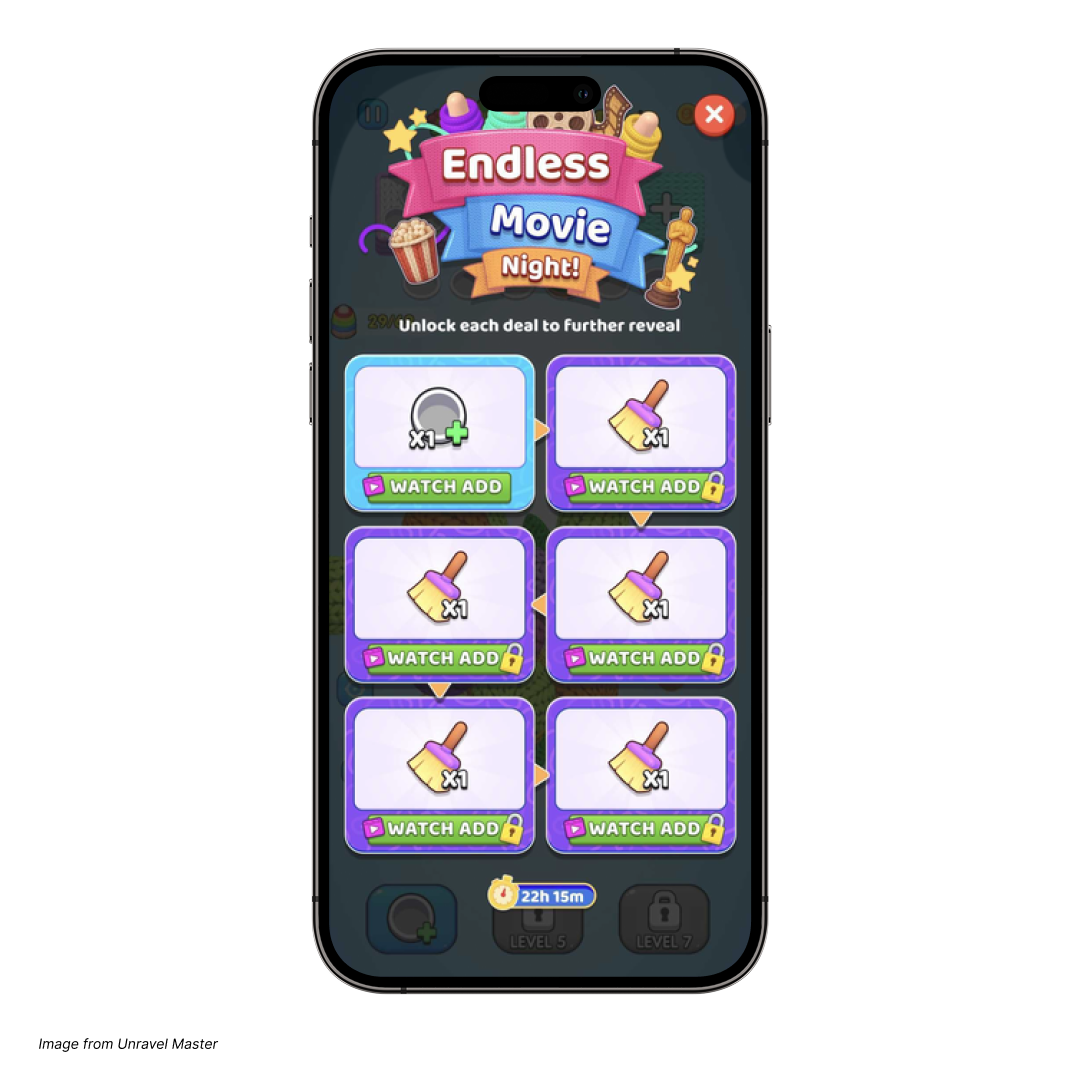
In many hybrid games, only a small portion of the audience converts through IAP. That's why it's best practice to apply the same reward systems used in IAP monetization to ads. This effectively monetizes low-converting users. For instance, in Unravel Master, we introduced a rolling offer that lets players unlock rewards by watching ads, boosting LTV across segments.
Lesson 4: Ensure monetization never interrupts the fun
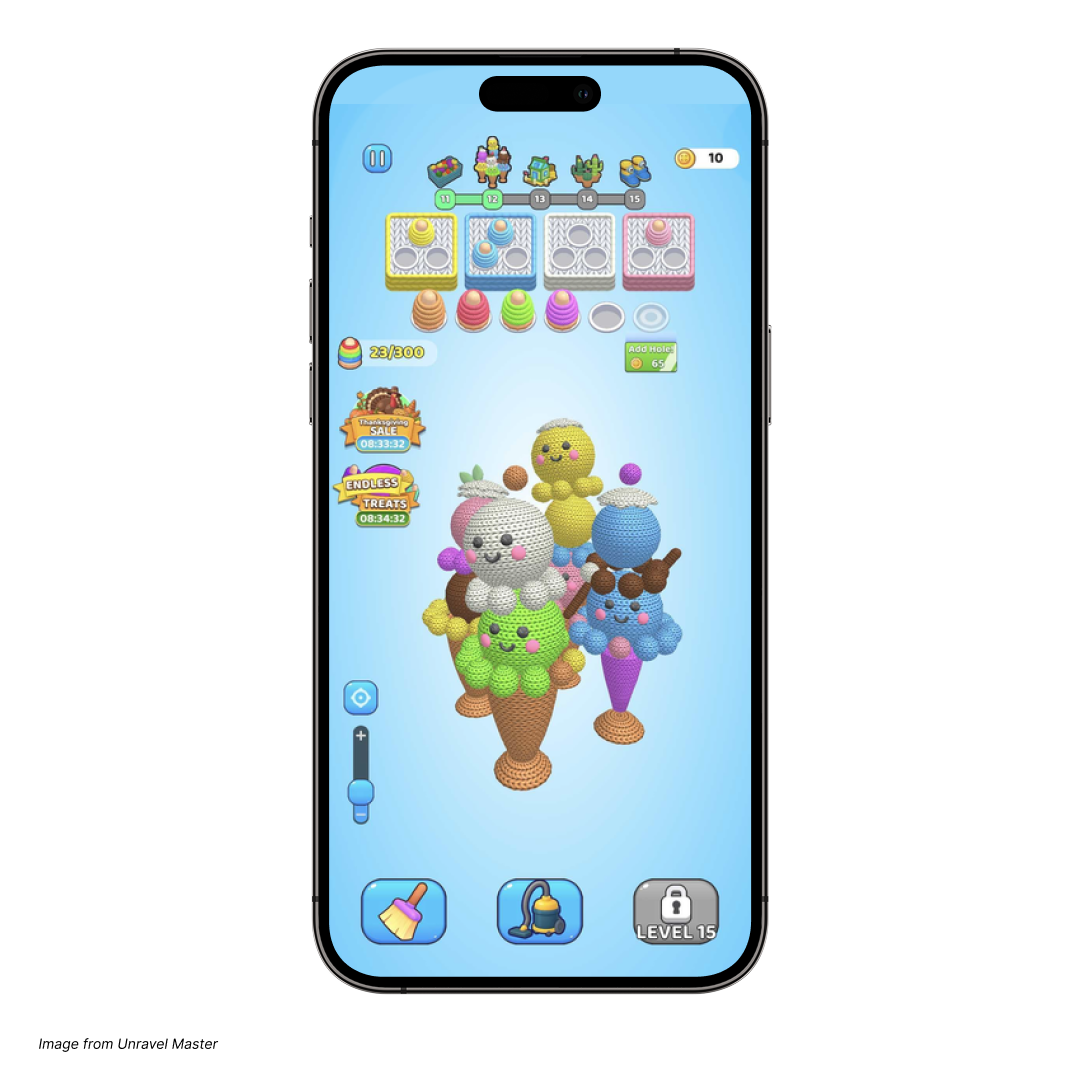
To keep players engaged, it's important that monetization methods blend smoothly with the game’s natural flow. Try using pop-ups at app entry to avoid disrupting gameplay, and sprinkle in non-invasive UI widgets within levels for gentle reminders that keep the player’s flow intact. This way, monetization enhances the experience without breaking immersion.
Captivate with creatives
Lesson 1: Turn storytelling into your creative engine
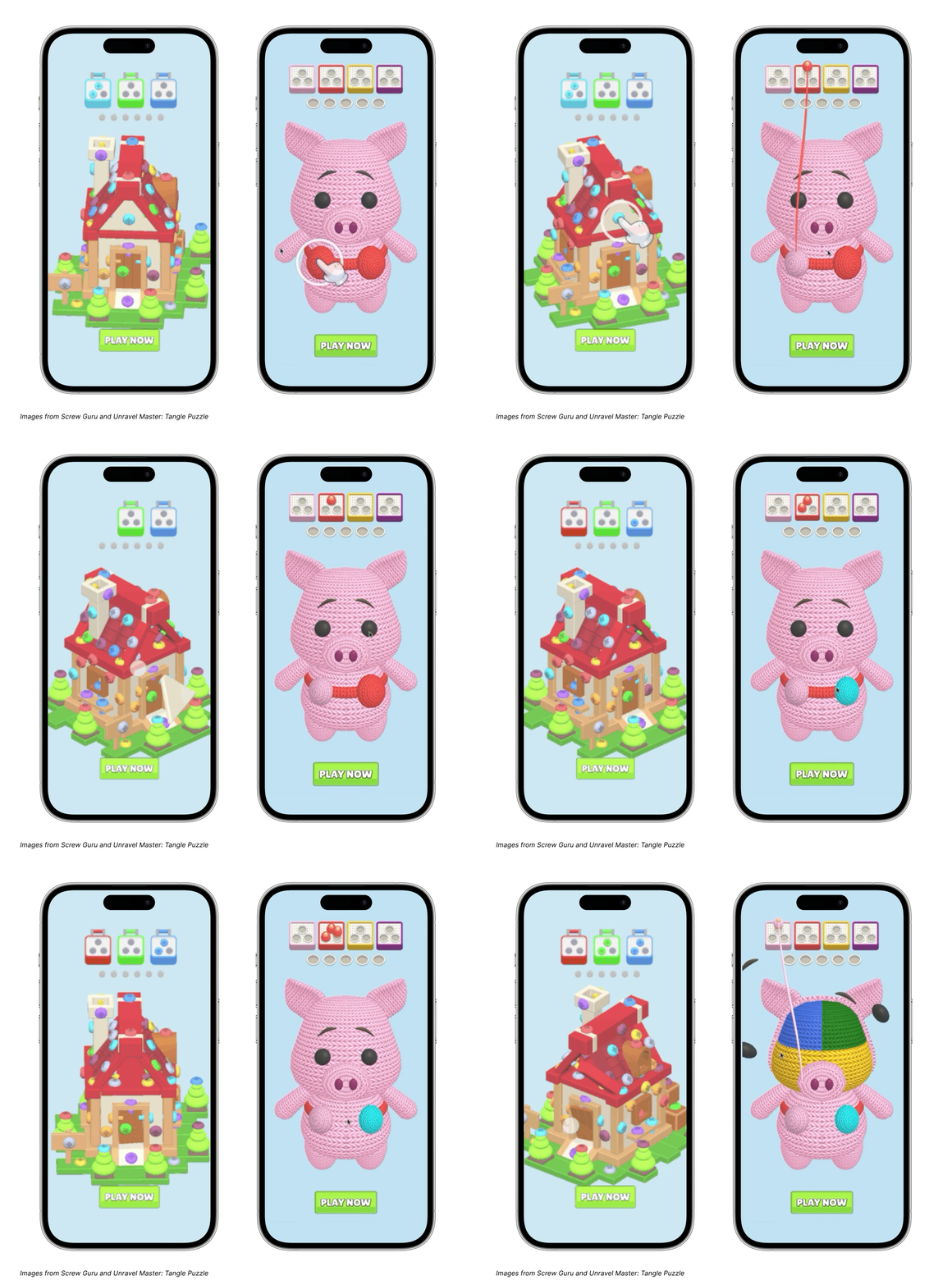
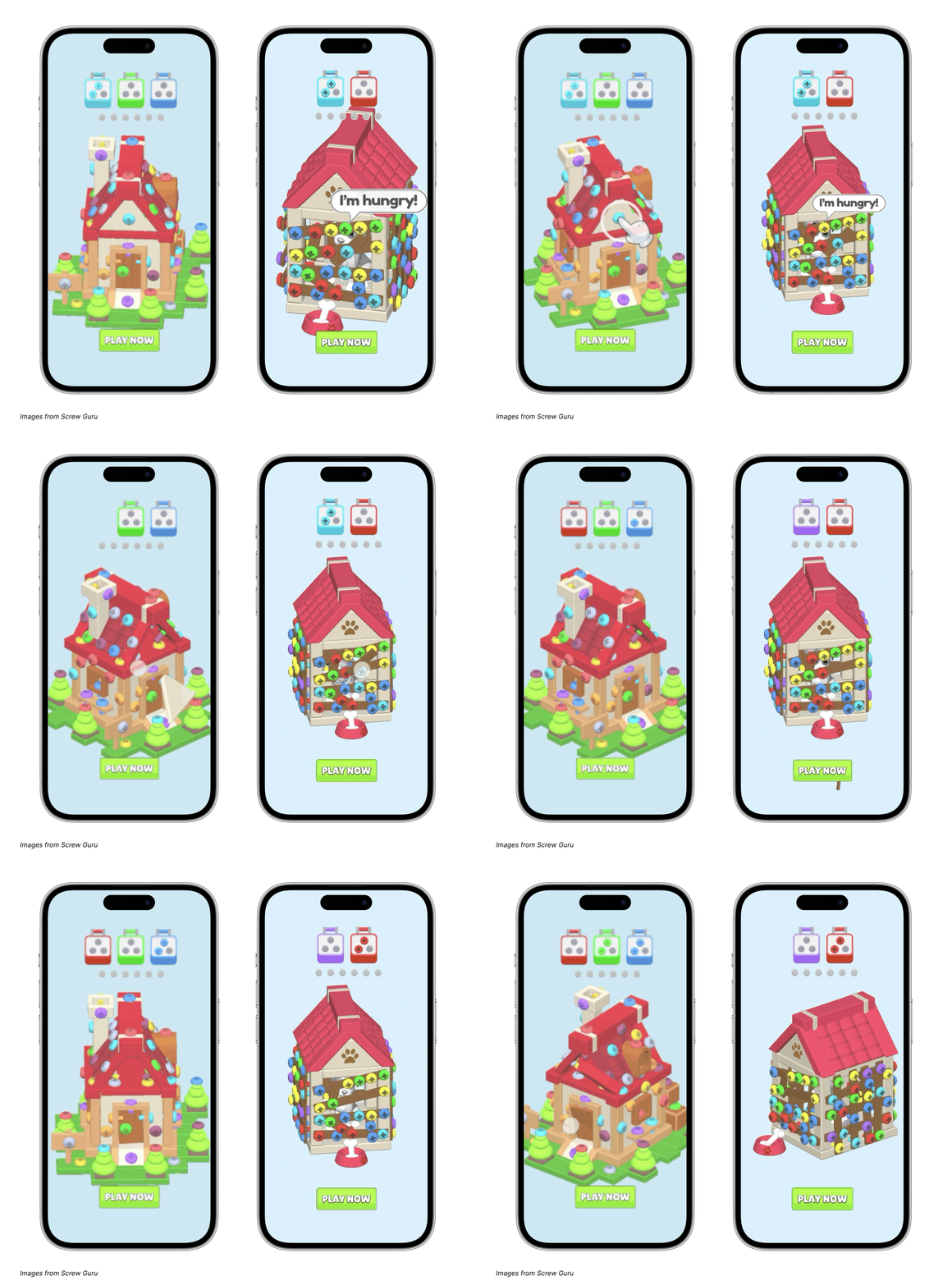
Hybrid game creatives thrive when they use stories that resonate with players on a deep, emotional level. Since these players tend to invest more time in fewer games, creating a narrative that truly speaks to them and their motivations is crucial. Take Screw Guru for example, both of the creatives below feature a similar house and show the same screw mechanics, but one of them adds the storyline of saving a hungry puppy. The desire to save the puppy, connects with players’ emotions, driving them to engage.
Lesson 2: Use AI to scale creative testing and production
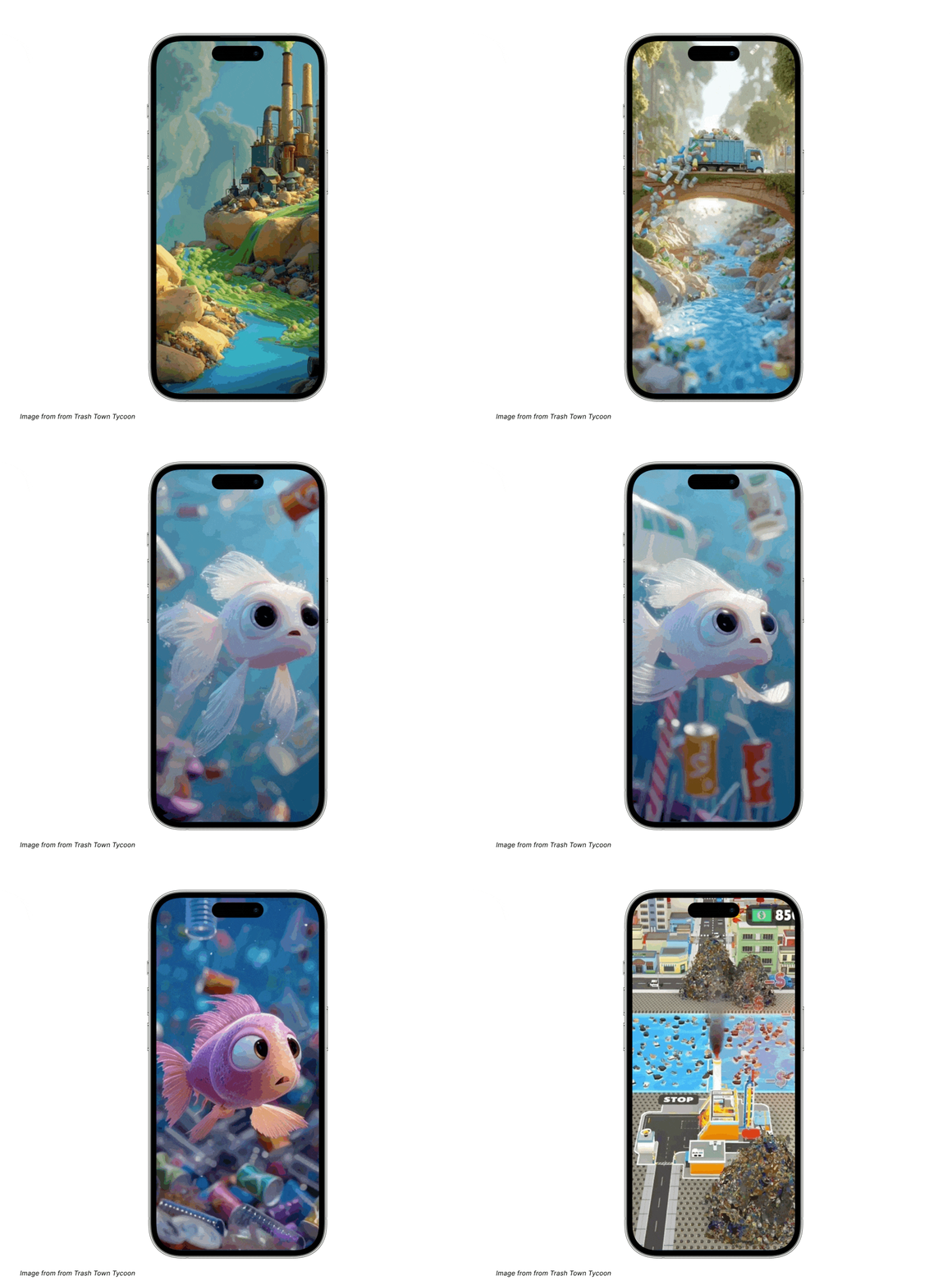
AI is transforming how we test and create stories, bringing captivating scenes and cinematic hooks into play that were once considered too costly and undervalued. With AI, crafting these engaging elements has become much more accessible and effective. For example, we used AI to create an extremely emotional and engaging cinematic hook for Trash Town Tycoon that boosted hook rate by 25%.
Lesson 3: Post install events and retention are more critical than ever
We used to focus on boosting installs and cutting CPI, but now, with downloads dipping and revenue rising, post-install events are more important than ever. This means the focus has shifted to ROAS. Even if a creative isn’t scaling massively, strong ROAS means it’s worth considering.
Retention is another critical metric, which is why it’s increasingly important to use real gameplay in ads. Fake gameplay might increase installs, but a mismatch between the creative and the actual gameplay leads to churn in the long run.
Ready for 2026?
And that’s a wrap! These lessons are only the tip of the iceberg of what we learned in 2025 but they highlight the strategies that consistently delivered meaningful impact across genres, markets, and teams. As we move into 2026, we predict smarter, more adaptive design, tighter core loops, timely features, flexible monetization, and UX-first offer placement that respects player flow will become even more dominant.
For even more 2026 predictions, tune into SuperMonday to hear our experts break down what worked in 2025 and how your games can win in 2026 .
Let's put these tips to good use
Publish your game with Supersonic