Playables have proven themselves as a super effective format for mobile games if done right. And to do it right, you need a well-designed playable that creates an emotional hook and offers users a taste of your game leaving them wanting more, before they even download it.
Playables have been a staple of hyper-casual and other mobile game genre’s UA for a long time. They’re interactive ad experiences, allowing players to explore a slice of a game before leading them to download the full experience. But, hybrid-casual playables differ from hyper-casual playables (which you can learn about here), in a couple of critical ways.
Hyper-casual games are all about offering a snappy, easy to understand, and widely appealing play experience. In contrast, hybrid-casual games, with their mix of in-app advertising (IAA) and in-app purchases (IAP), offer deeper experiences and require higher quality users who’re looking to spend more than a little time (and possibly money) in the games they play.
As a result, while hyper-casual playables thrive on instant gratification and quick hooks, hybrid-casual demands a more thoughtful, trust-building approach. Let’s dive into how you can create high impact playables for your hybrid-casual game.
Building a playable strategy for high quality users
The core objective for hybrid-casual playables shifts from strictly volume, like hyper-casual, to acquiring high-quality users at scale – players who are more likely to engage long-term, potentially invest in IAP, and become loyal fans. Your playable strategy needs to mirror this.
That means forgetting the typical 15-second hyper-casual playable intro/tease. Hybrid-casual playables tend to be longer and deeper experiences, often encouraging 20+ clicks and presenting a more complete, compelling level experience - leaving little time for extras, like an intro.
You might be concerned that a longer ad experience that jumps straight into the action could cause some users to drop off early. But this is actually a feature, not a bug. Hybrid-casual playables are not just about chasing installs, they're also filtering for users looking to invest their time and more. A longer immersive playable acts as a pre-qualifier, attracting users whose playstyle aligns with your game’s depth and monetization strategy.
The hybrid-casual playable blueprint
Like for other genres, a successful hybrid-casual playable relies on three core components: the tutorial, the gameplay itself, and the end card. But what makes hybrid-casual playables different is the added layers of sophistication and focus on progression.
The tutorial
Your playable is likely appearing as an interstitial or rewarded video, so time is precious – especially with a longer ad experience. The goal is to get players into the action immediately. Therefore, within the first 3 seconds, the primary mechanic should be obvious. Whether it's tapping, swapping, or dragging, use a brief tutorial cue (like an animated object, a clear arrow, or a pointer hand gesture) to show and not tell.
Once players ‘get’ the tutorial, quickly demonstrate the core gameplay loop. This part of the playable isn't a full game tutorial, it’s a glimpse that lets players immediately know what they’re meant to do.
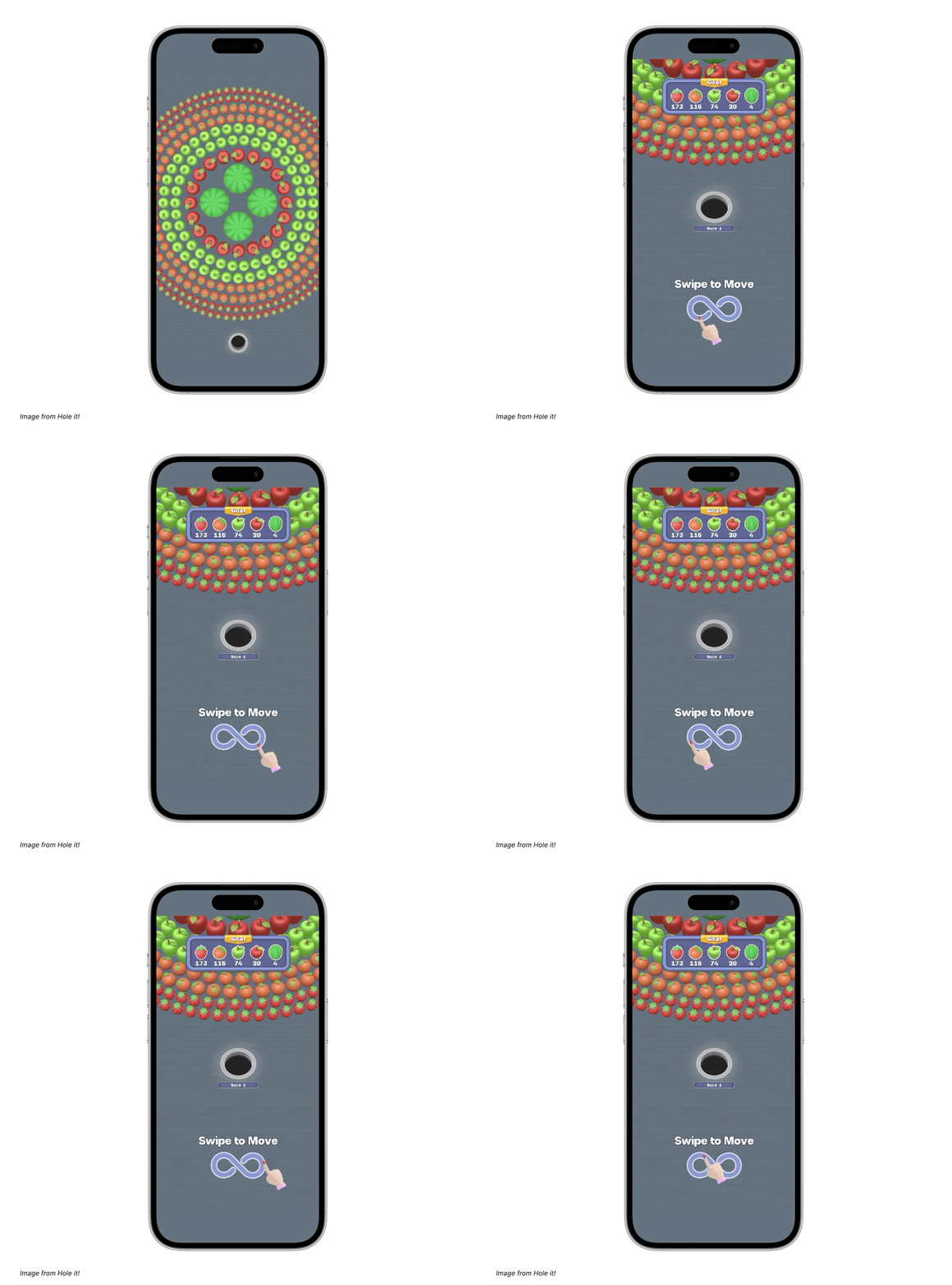
When testing the efficacy of the tutorial section of the playable, the engagement rate is where you should be looking. Unity data shows that playables with an engagement rate of 70-80%+ perform best, and getting users interacting quickly is key.
The gameplay
This is the meat of the playable. Your goal is to move beyond quick wins to foster a sense of accomplishment and progression. There’s a few best practices to help you do this.
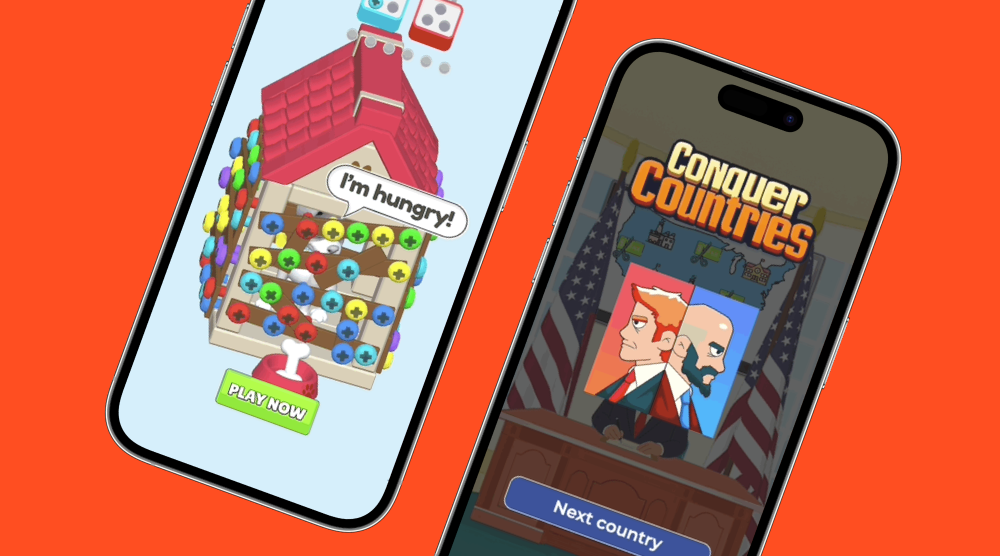
Most important is crafting a simple goal or narrative for users to progress towards. An example might be a "help me" scenario, a clear puzzle board to solve, or a mini-mission to immediately give users purpose in the playable.
This narrative or goal should have an accompanying win or fail condition. The key here is experimenting with your fail/win scenarios to find what works best for your audience. Sometimes, an unsatisfying failure in the playable can create a powerful FOMO effect, driving users to download and conquer the challenge in the full game. Other times, a satisfying win is the dopamine hit that users need to incentivize them to download the game.
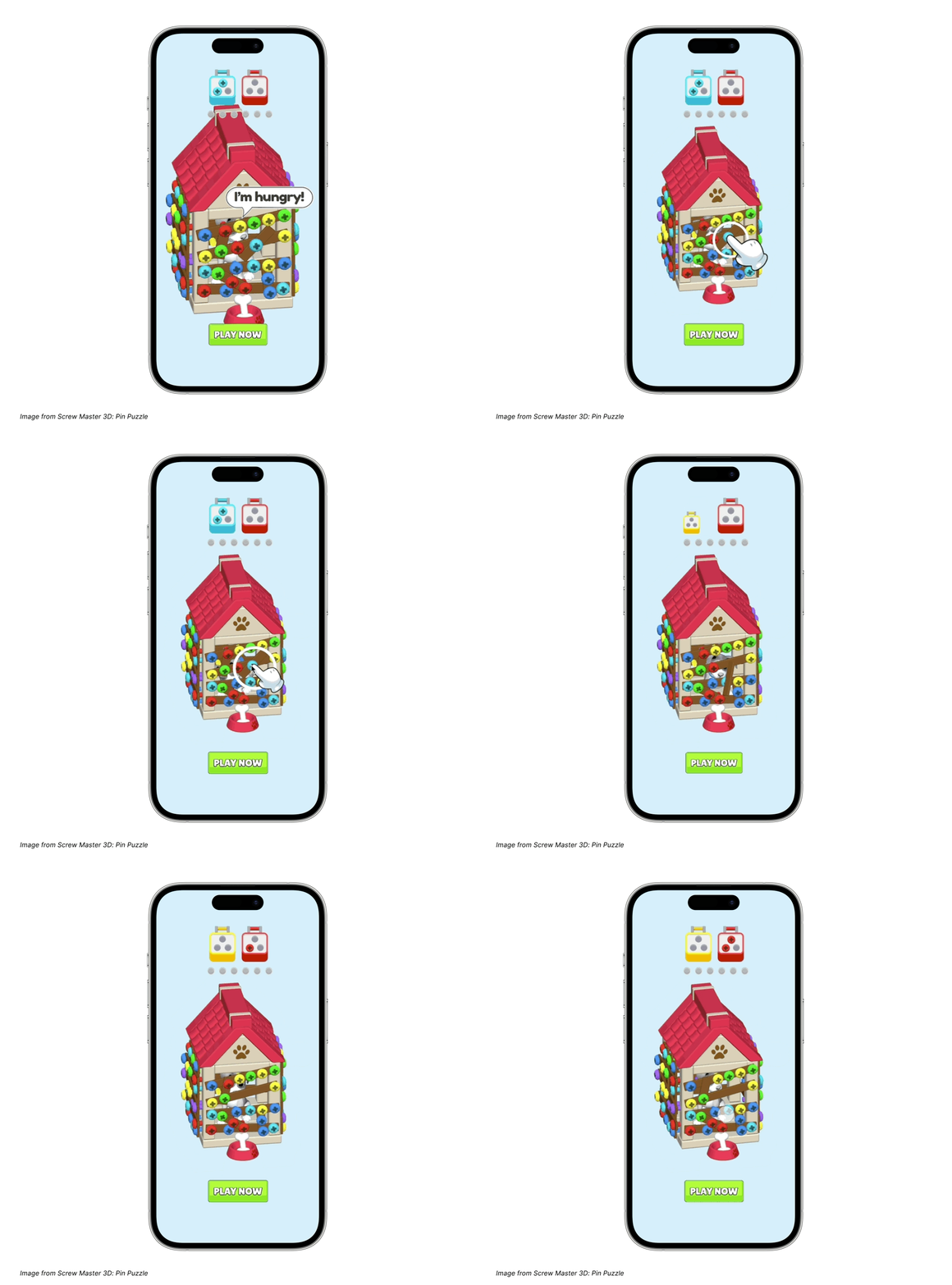
Critical when creating the level is tailoring difficulty using A/B tests to find the right configuration, like an easier level of difficulty for a broad audience, and a more challenging version for experienced puzzle players.
The next priority is making sure every correct action that a user makes feels satisfying. Integrate immediate, sensory feedback like vibrant sparkles, clear sound effects, and attractive text animations. These cues reinforce the impact of each action, making playable interactions feel fun and mirroring the gratification of the full game.
The end card
When the playable experience concludes, it's time to guide users to the app store with as little friction as possible, any bump in this final stage of the ad experience could see users bouncing. Make sure to include a clear and prominent CTA, like a bold and contrasting ‘Play’ or ‘Download’ button, that is the dominant element on the screen as well as your app icon or logotype for brand recognition. The CTA needs to lead directly and quickly to the app store. A delay or additional steps can lead to user frustration and lost installs.
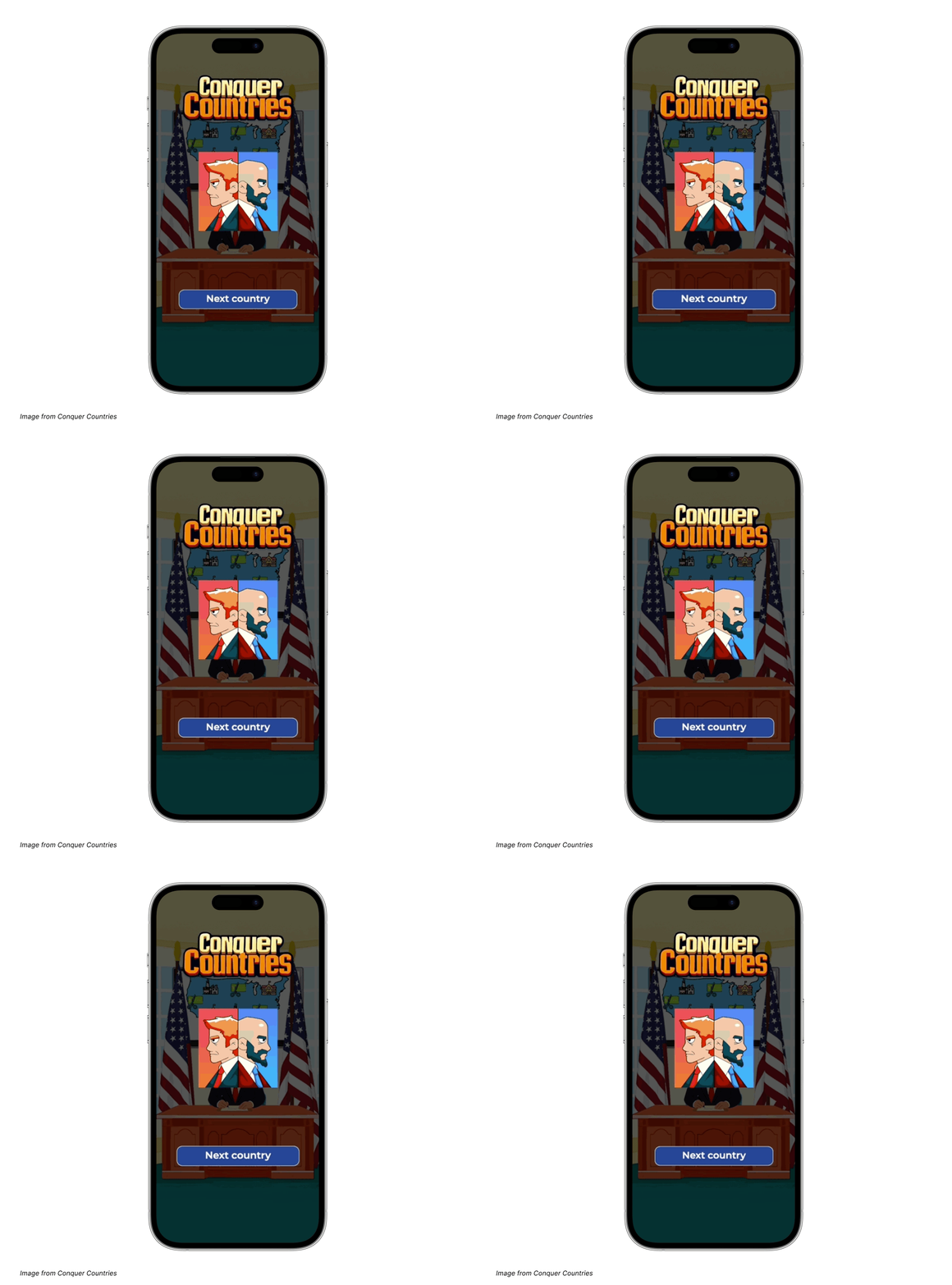
Like with all your elements, don't settle for the first design. Experiment with different end screens, such as showcasing the next challenge, a gallery of levels, or even a brand splash screen to increase your conversion rate.
It’s about more than building an ad, it’s building lasting connections
The most important takeaway for hybrid-casual playables is that you’re creating trust and connection. This means ensuring that the core gameplay experience present in your playable genuinely reflects your full game, even if the specific level or scenario isn't directly replicated. The mechanics, the feel, the rewards – it should all align. And if it does, you’re well on your way to scaling a profitable hybrid hit.
Want tips to scale and grow your game in the long-term? Check out this blog on keeping your game growing from D30 onwards.
Let's put these tips to good use
Publish your game with Supersonic